Showing posts with label 2012staffpicks. Show all posts

Sunday, 30 December 2012

Staff Picks - Best Books of 2012: Rebecca


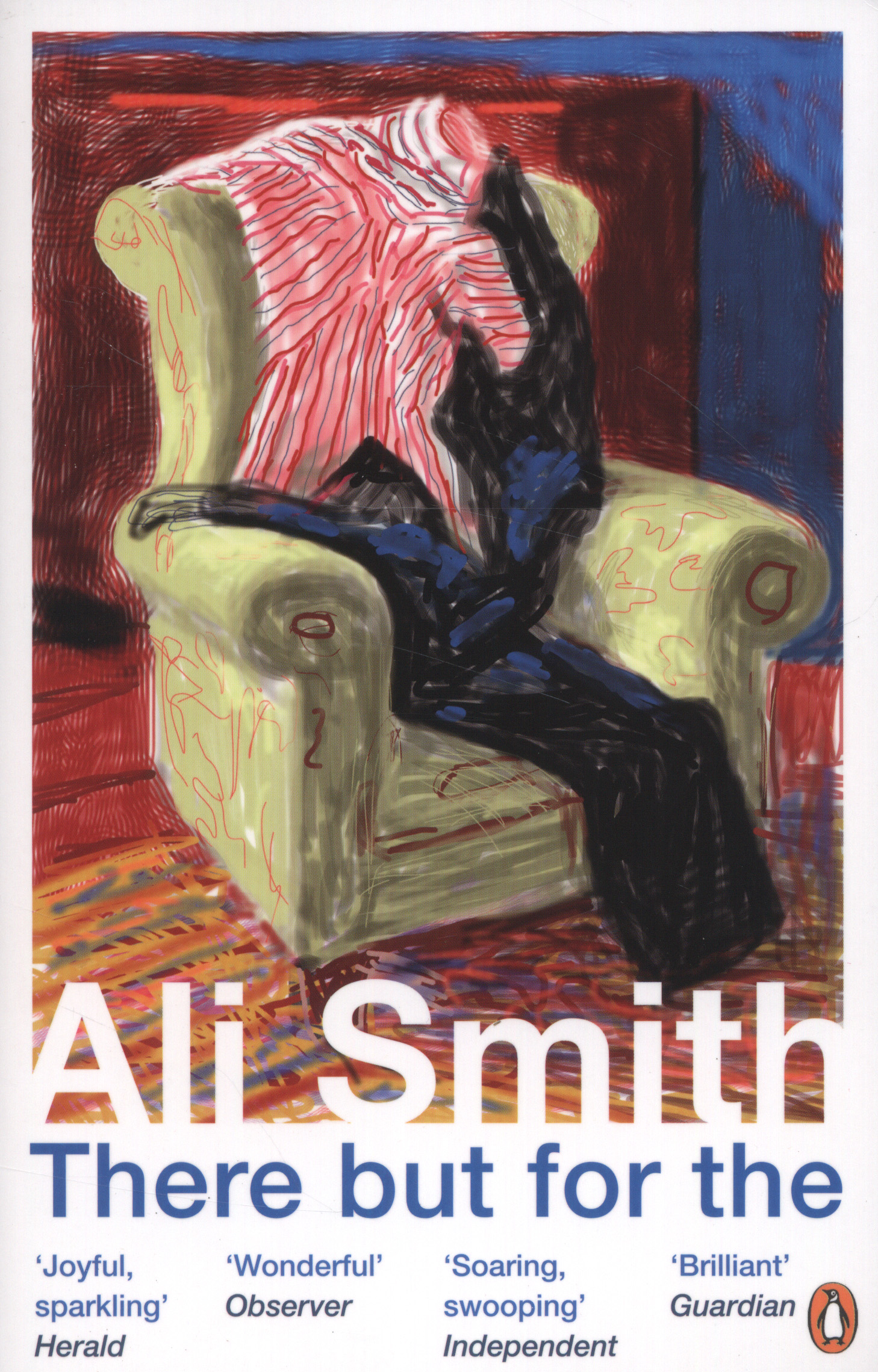
A fascinating and enjoyable read. A seemingly simple plot – a stranger invited to a dinner party gets up between main course and dessert to lock himself in the spare bedroom – sets the stage for a multifaceted exploration into a variety of characters and themes. The ideas of memory, history, relationships, and existence all come into play in this wonderfully crafted novel that will leave you pondering long after you’ve finished! 

Staff Picks - Best Books of 2012: Karma


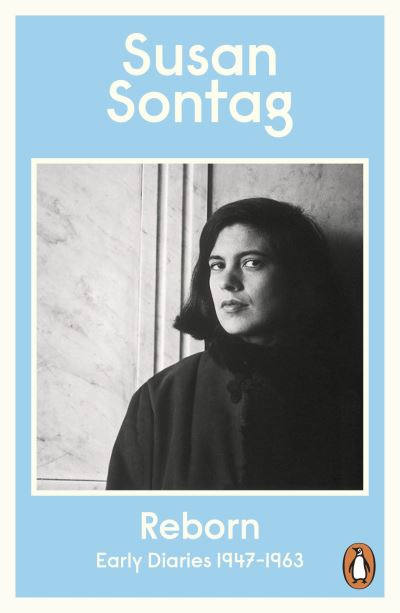
The first of Susan Sontag’s collection of journals, Reborn, provides insightful fragments of a remarkable intellect. Beginning in 1949 from the perspective of a 16-year-old Sontag, the journals document a personal journey oscillating between subtle and sharp reflections of a woman who was becoming a cultural and intellectual icon. Between longer passages are lists, stray thoughts, and incomplete ideas, all charged with potential, with many forming the bases for future essays. From her youthful yet completely self-aware curiosities, to her emotional clarity in intellectualising her emotions and relationships, Reborn presents snapshots of a great mind exploring the potentialities of life.


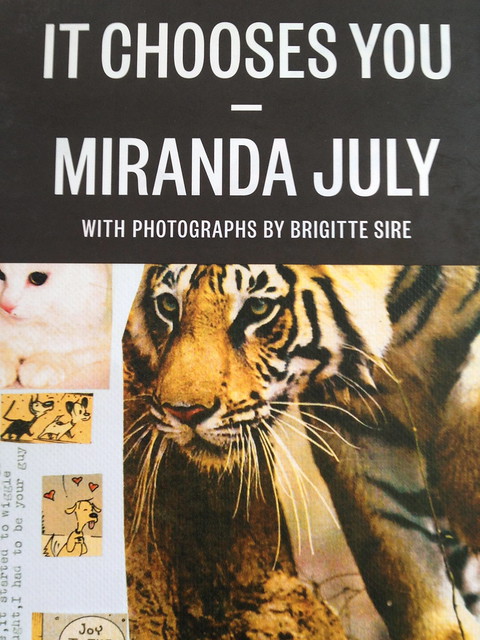
The thing I like about Miranda July is her ability to stray beyond what is considered “normal” with a completely genuine eccentricity and matter-of-fact approach, which has the added result of making you feel completely together. Her 2005 book No One Belongs Here More Than You: Stories sums this feeling up perfectly. Her most recent book, It Chooses You, is a collection of short interviews accompanied by photographs. The process of creating the book has just as much appeal as the interviews themselves: July was procrastinating from writing a screenplay and instead took to replying to classifieds ads of people selling their everyday items. The book is a charming collection of interviews with the sellers about their objects and the meanings they hold to them, which does much to highlight our own stories about the objects we choose to keep and those we throw away.


Home/World: Space, Community and Marginality in Sydney’s West – Helen Grace, Ghassan Hage, Lesley Johnson, Julie Langsworth & Michael Symonds

A book with lingering relevance, Home/World presents themes found across all urban spaces: marginality, home, community, modernity, nature, and migration.  This collection of essays illuminates not only the ways in which Western Sydney has been negatively represented as a place of disadvantage and grim fates, but also presents rich, grounded reflections of home, community, and possibility. Home/World explores the contradictions, nuances, and ambivalences of feeling at “home” in a city with scattered thoughts on multiculturalism, national identity, and belonging. A very interesting read that lights up intellectual lightbulbs.

Staff Picks - Best Books of 2012: Barbara

Rachel Joyce is an award winning English playwright and this is her first novel.  It was longlisted for this year's Man Booker Prize. Six years ago Rachel wrote The Unlikely Pilgrimage of Harold Fry as a play for the BBC Radio 4 and it won an award for the best radio play.  Rachel wanted to write a book for many years and was persuaded by her colleagues to write "Harold's" story as a novel. She wanted to write a story that didn't quite fit the rules and make the implausible, plausible....and I think she succeeded.  Harold has retired and lives with his wife Maureen in a southern Englist town. Maureen's a bit of a shrew and criticises him all the time and poor Harold wears it without a murmur.  He receives a letter from a work colleague he hasn't seen for 30 years.  She writes that she is in a hospice and wants to thank him for his friendship many years before and to say goodbye.  Harold immediately writes to her and sets out to post the letter.  He contemplates at the post box and decides to move on to the post office.  When he reaches it he makes the amazing decision to just deliver it in person.  The problem is that he lives in southern England and the hospice is in the north of the country 627 miles away!  And so his pilgrimage begins.  Sounds implausible I know, but the people he meets along the way, even the television crews, make this a quirky story with many surprising dimensions. I've had Shearer's customers who didn't want the novel to end as they loved it so much.


Tom Keneally is an inveterate storyteller.  Tom has written a World War One novel from the fresh perspective of the nurses rather than the soldiers.  The story begins in the Macleay Valley of New South Wales with two sisters Sally and Naomi Durance.  Both are nurses, one leaves and the other stays home combining work with looking after aged parents.  When the war begins they both sign up but they are hiding a dark secret.  The Durance sisters witness first hand the work and everything  the war has to offer.  This is a novel about the closeness of siblings and love.  The Daughters of Mars also touches on some interesting subjects, the changing face of medicine during the early 1900s, conscription, Quakers and the plight of conscientious objectors.  Tom is renowned for his meticulous research and the story was inspired by journals of two Australian nursing sisters written during the Great War.  It is a story that stays in your mind long after you read the last page.


Arthur Conan Doyle brought Sherlock Holomes back from the dead following a public outcry.  Ian Rankin just yanked Detective Inspector John Rebus, the dour Scottish detective out of retirement and the news has thrilled his fans throught the world (including me)!  Rebus finds himself at odds with Rankin's latest protagonist Malcolm Fox when all he really wants to do is to discover the truth about a series of seemingly unconnected disappearances stretching back to 2000.

Rebus wants to investigate the crimes but nobody else is interested.  Of course that doesn't thwart Rebus, not even when his own life and the careers of those around him are on the line.  Ian Rankin not only creates great characters but his description of place is so stunning I even looked up an atlas to follow the areas of Scotland he was visiting in search of answers.  The title, the first scene and the last scene in the novel all come together in a very clever piece of writing.  Mr Rankin is indeed a great storyteller.

Friday, 28 December 2012

Staff Picks - Best Books of 2012: Nick


I absolutely loved this grand fantasy debut from Patrick Rothfuss. The Name of the Wind tells the epic tale of Kvothe (“pronounced nearly the same as ‘quothe’”), an orphaned young bard with a knack for magic and mischief. It is told from the perspective of an older Kvothe recounting his earlier days, and how his story became part of the mythology of his world. The overarching narrative (i.e. the story of Kvothe) is impressively interspersed with flowing tales of the history and mythology of the setting. Patrick Rothfuss has managed to make a brilliant story about stories and the power of storytelling. 

The Name of the Wind is so much more than standard fantasy. It’s that all too rare find – fantasy distinctly different to Tolkien. The Name of the Wind carries on the grand tradition of wizarding colleges introduced by Ursula le Guin and JK Rowling. Rothfuss takes his cast of likeable (albeit lovably flawed) heroes through an immersive, gritty, and believable setting. Although the standard heroism and adventure of fantasy is tempered by tremendous sadness, The Name of the Wind is never without humour. 

It is a rollicking good read, full of myth, adventure, and action. A must read for anyone who calls themselves a fantasy fan. 


What can I say about Robert Louis Stevenson’s classic tale of adventure that hasn’t already been said!? This is THE pirate story against which all others have to be judged. Before Will Turner and Captain Jack Sparrow, Jim Benbow and Long John Silver set off on the high seas with only treasure and adventure in mind. Written in magnificent prose, Treasure Island has it all! Murder most foul, cavalry charges, sailing in rough seas, pirates, mutiny, buried treasure, ancient skeletons, marooning, and more!! If you like adventure and pirates, you have to read Treasure Island. It’s just as perfect for young boys and girls looking for an exciting read, as it is for those of us who are slightly older, but wish we weren’t.

- Nick

Staff Picks - Best Books of 2012: Layth


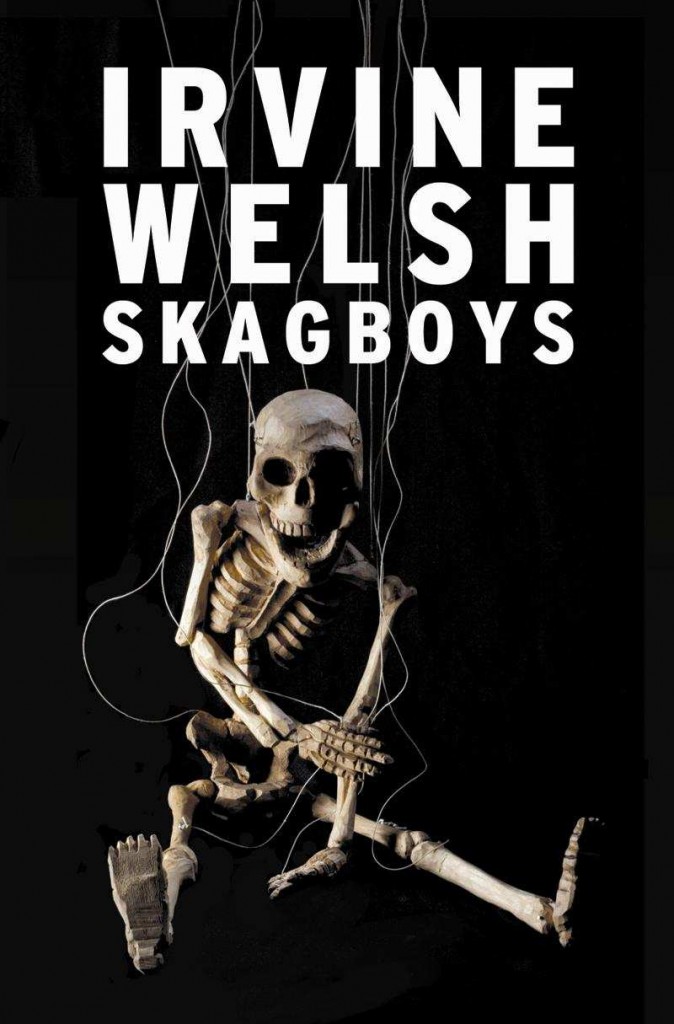
Skagboys is Scottish author, Irvine Welsh’s third run at the Trainspotting storyline he started back in 1993. He returned to the characters in 2002 for a sequel, Porno, set about seven years onwards from the events of Trainspotting. Now, a decade after the sequel Welsh has returned to the grey port of Leith in Scotland to tell you how it all got started. Everybody has made a return for this much anticipated sequel; the cynical, red headed Mark Renton; the slick and charming Simon ‘Sick Boy’ Williamson; the dopey yet good natured ‘Spud’ Murphy; the intelligent but easily led Tommy Lawrence and the psychotic and ever threatening Franco Begbie. Welsh takes us back to before most of them became the junkies we were introduced to in Trainspotting. He reaches far back into the pasts of these characters and, having read the other two books in the trilogy by this point, I felt like I was really allowed a deep insight into what makes these people tick. 

My favourite thing about Welsh’s writing is his amazing ability to build extended universes. All of his books, not just those in the Trainspotting trilogy, all take place within the same universe’ more often than not in the Port of Leith or the wider area of Edinburgh. This is done expertly in Skagboys as Welsh not only brings back old favourites but breathes a whole lot of life into characters that were merely passing by in the other novels, or even only discussed and never introduced. Another reason I just couldn’t put this book down, was the way Welsh managed to really give the reader an insight into the social and political upheavals that existed in the turbulent times of Thatchers England and how these factors (among others) went to contribute to the massive heroin epidemic of 1980s England and Scotland. 

In short, this is one of my favourite books of this year, written by one of my favourite active writers at the moment. Do yourself a favour and check him out. (Disclaimer: not for the faint of heart).


A Clockwork Orange certainly needs no introduction by now. Anthony Burgess’ 1962 novella has garnered much controversy both in its written form as well as on stage and screen. 50 years on, this comprehensive edition includes a foreword by British novelist Martin Amis and an introduction by Andrew Biswell. As well as the classic story you have come to know and love quite intimately, this edition also includes notes on the text; a glossary of ‘nadsat’, to help explain most of the gibberish Alex and his ‘droogies’ speak; as well as essays and reviews on A Clockwork Orange and, finally, a never before seen epilogue. This edition is sure to please any existing fans of the novel and any new ones that care to explore themes of human autonomy and the choice between good and evil.


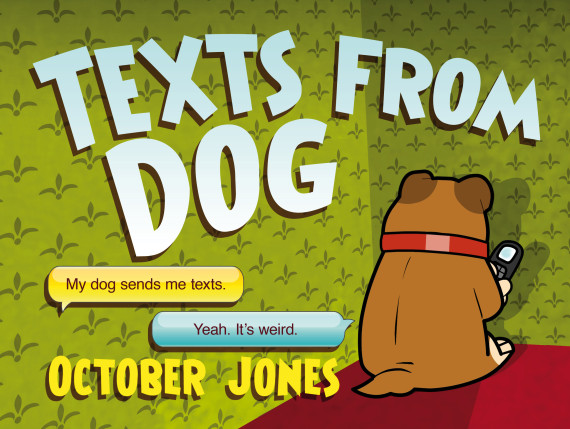
Have you ever seen you dog give you ‘that look’? You know the one, they’ll sit there and stare at you with those big wide eyes, head cocked to one side, tongue protruding from a big wet grin? If so, I bet you’ve wondered what the little menace was trying to tell you. Whatever it was, it probably won’t be in this book.

Wednesday, 12 December 2012

Staff Picks - Best Books of 2012: Elissa


A YA novel about a boy who decides nothing has meaning and his school friends who try to convince him otherwise. This is a dark story. Not for the faint of heart. But it's good. Very good. It will make you question a lot of things we take for granted. What is meaning? And how do we decide what something is worth?  


One of two books published posthumously after Hoban's death at the end of last year. Soonchild is a beautifully illustrated, wondrous story about a man whose unborn baby doesn't want to come out into the world. He embarks on a magical journey to convince her otherwise. A wise and often amusing tale, partly based on Inuit mythology. 


Vintage Children's Classics 

I could say a lot about numerous titles in this series. If I had three or four pages I could rave about all the different titles here that I'm so happy to see again. Given that there are so many well known authors on this list I have to take this chance to mention some who aren't as well known to modern audiences.

Joan Aiken's The Wolves of Willoughby Chase is exceptional. And the cover is just great. It's a mystery/ adventure story set in an alternative history with wolves in England.

Erich Kastner's Emil and the Detectives was written in 1928 and is about a young boy who falls victim to a thief and engages a gang of children his own age to apprehend the criminal. While I was investigating this series I found the Vintage Children's Classics website and discovered that Kastner was considered anti-German by the Nazis and copies of Emil were put to the flames in 1933. Kastner was even present at the time. Thankfully not all copies were lost so we can all still enjoy this fantastic story.

There's something here that will interest every child and they're only $9.95! Needless to say my bookshelves have significantly less room now Edith Nesbit, Arthur Ransome and Mark Twain have invaded.

- Elissa

Tuesday, 11 December 2012

Staff Picks - Best Books of 2012: Megan


I was highly amused by A.M. Homes book May We Be Forgiven. In the tradition of Jonathan Franzen (however with characters you can actually like) we find ourselves ensconced in the domestic dramas of American people going about their privileged yet dysfunctional lives. That's not to say that the characters in this book don't have good cause to be acting up, afterall one of them has just killed an entire family in a road crash, and the rest seem to be struggling with the guilt that has engulfed them all. What's funny so far, I hear you say? Well, that's a good point. This book walks that narrow line. Whilst it is a moving exposition of tragedy, the sublimely farcical elements that are injected throughout make this a completely compelling read. Very dark, very funny, very readable. My favourite book of the year. 


I've put this book on my list mainly because it was just so memorable. An unusual book that blended the writer's journey with a historical fiction narrative, HhhH is the story of Heydrich, one of the most feared officers in the Nazi regime and second in charge to Himmler. Laurent Binet, the author of HhhH inserts himself into the book by clueing the reader into his writer's angst. How can a novelist be true to the reader and also be true to history? Does a simple description of a favoured vehicle reveal a lack of research, does a thought attributed to a real person mislead? At times, Binet's insertions detract from the story of Heydrich, however the book as a whole is utterly fascinating, thought-provoking and refreshingly original. 


Okay, so I'm showing my true colours now. I love design, but I also love having a little knowledge about a lot of things. It's a character flaw, but how can I help it when publishers like Phaidon keep on feeding it. The Archive features 500 influential graphic designs on each "page" with one large image on one side and descriptions from experts and further illustration on the other. Just looking at it makes you smarter. Okay, so they are not really pages. The Archive is one large file box with 500 cards which you can organise and re-organise to your heart's content by whatever filing method you might choose (okay showing another weird peronality trait). You can even choose to frame them or use them as educational cards during dinner parties when your friends show a complete lack of knowledge about the font you used on their place cards. I've already had a lot of fun with my Archive. But in all seriousness, this is the book for design enthusiasts. Great content and above all a kick-ass presentation box that will guarantee a happy dance from the coolest of your friends.

- Megan

Monday, 3 December 2012

Staff Picks - Best Books of 2012: Sarah


This Moose Belongs to Me - Oliver Jeffers

Oliver Jeffers is a truly failsafe option for the young and the young at heart, with previous titles such as Lost and Found, How to Catch a Star and Stuck flying off our shelves. It was love at first sight for me and this book, with its enchanting illustrations and fabulously headstrong moose character. This Moose Belongs to Me is a gorgeous tale of a boy and his moose, and in true Jeffers style there are poignant messages about friendship and whether animals can truly to owned behind the brilliant colours and delightful story. Without a doubt, this is my favourite book of 2012.


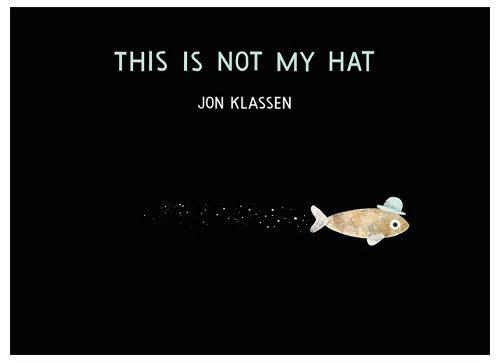
This is Not My Hat - Jon Klassen

The follow up to I Want My Hat Back, what impresses me most about This is Not My Hat is Klassen's ability to use very few words and some fabulous illustrations to create a surprisingly dark tale based entirely around various oceanlife wanting to wear a hat! The simplicity of this story and its laugh-out-loud ending had me sharing this book with all my (adult) friends. Important life lesson learned: never trust a crab!


Gaysia - Benjamin Law

Benjamin Law provides a new take on gay culture across Asia, and it's quirky, smart and sometimes brutally honest. Law has a way with words, and his exploration of what it's like to identify as gay in countries where it is considered an illness or to not exist at all is as shocking and eye-opening as it is genuinely hilarious. From his visit to the ladyboys of Thailand during one of their world-renowned beauty pageants to the time he spends with a group in China who have found a way to navigate through their country's stifling internet censorship to create a vibrant online gay community, Law shares these people's stories with great humour and compassion. A fantastic, thought-provoking and accessible read.       

Wednesday, 28 November 2012

Staff Picks - Best Books of 2012: Antonia


Swimming Home by Deborah Levy

I'd loved Alison's Moore's The Lighthouse - which was also shortlisted for The Booker this year - and Swimming Home is similarly a short, tight and powerful novel. But while The Lighthouse has a meandering ambiguous quality to its story, Swimming Home is considerably more resonant and dramatic. There are so many phrases, sentences and paragraphs in the book that sing. The novel explores the devastating effect that depression can have on apparently stable, well-turned-out people. Set in a summer villa, the story is tautly structured, taking place over a single week in which a group of beautiful, flawed tourists in the French Riviera come loose at the seams.


May We Be Forgiven by AM Homes

I'd not read any of AM Homes's novels until this one, and I enjoyed May We Be Forgiven so much that I'll definitely be looking at her backlist. Critically acclaimed as belonging to the tradition of  Jonathan Franzen and Suri Hustvedt (The Guardian said it had ‘the narrative intensity of Franzen’s The Corrections and the emotional punch of Hustvedt’s What I Loved’), this is an exploration of family life beginning at a Thanksgiving celebration, a novel about connections, broken, made and remade, existing physically, emotionally and, increasingly, electronically. One of the strongest openings in fiction that I've read for ages - just start reading and you won't be able to stop. The sort of book that makes you excited about books all over again.


The Hanging Garden by Patrick White

2012 was all about Patrick White: May marked the centenary of his birth, Happy Valley was finally republished as a Text Classic after being out of print for decades, the excellent Patrick White exhibition visited the State Library, and we were treated to publication of his previously unpublished novel The Hanging Garden. Whether you've long been a fan of Patrick White or haven't read him yet, I do urge you to read The Hanging Garden. Two children are brought to a wild garden on the shores of Sydney Harbour to shelter from the Second World War. The boy's mother has died in the Blitz. The girl is the daughter of a Sydney woman and a Communist executed in a Greek prison. In wartime Australia, these two children form an extraordinary bond as they negotiate the dangers of life as strangers abandoned on the far side of the world.

Staff Picks - Best Books of 2012: Jane


The Street Sweeper – Elliot Perlman

Elliot Perlman’s third novel comes eight years after his last novel, Seven Types of Ambiguity, and is dedicated to the victims of racism, named individuals ''who died from manifestations of the same disease.'' The worlds surrounding two men and their families swirl in and out of history as the forces of the Holocaust, the American civil rights movement, Chicago unions, and New York City racial politics combine in a thrilling cross-generational literary symphony. Despite describing some of the worst horrors of the 20th century, it ends unapologetically happily as ''a young African-American oncologist and a white Jewish historian stood smiling and talking to a skinny black street sweeper''.


The Chemistry of Tears – Peter Carey

In Peter Carey’s 12th novel, much depends on two voices. The first belongs to Catherine Gehrig, an horologist working at the (fictional) Swinburne Museum in London, who has recently lost of her lover. The notebooks she receives introduce us to the novel’s second voice, that of a wealthy mid-19th-century Englishman, Henry Brandling. Henry pursues a beautiful invention, to heal his sick son; Catherine reassembles the mechanical swan as a means of balancing her grief. Carey manages these time-shifts with ease. The themes turn out not simply to concern the beauty of science, but the ways in which science and humans interact and overlap. Specifically, it is a vision of how to discover order in a random universe, the illusory versus the actual, the mechanical versus the organic. And it turns out that the most tremendous of all Mysterium Tremendums - overwhelming mysteries - is the body, which operates according to specific laws ("the chemistry of tears"). The gap between that which imitates life and that, which is living, is something that isn’t simply part of the works. A soul! 


A Perfectly Good Man- Patrick Gale

Gale’s latest novel was conceived as a companion piece to his earlier book Notes on an Exhibition. The central idea of that book was of the difficulty in growing up with a mother who was a mad genius, and in A Perfectly Good Man the madness is on the father’s side. Barnaby Johnson, the central character, is not just a priest; he is a man who has devoted his life to being as good as he possibly can and inevitably that flows over onto his wife and children.

It’s a kind of moral thriller. At the beginning of the novel when Barnaby prays for the dying Lenny’s soul instead of calling an ambulance, it leads to his having to justify his actions as well as the power of prayer at the inquest, which shows bravery in an age where priests are considered as mere social workers. But Barnaby stands up for what it’s really about.

On another level it’s also a thriller because of a frightening stalker, Modest Carlsson who seems to be excited by death and whose main aim in life is to destroy the “good” Barnaby. He is a character who doesn’t realise how his actions affect others. The plot moves in two directions at once spiralling backwards into Barnaby’s roots and troubled teens and childhood to find out what the answer to his need to be “good” might be and each chapter to feel as contained as a short story. In the end the novel is about much more than religion. It’s really about family as most of Gale’s books are, and about the dynamics of the family.

Tuesday, 27 November 2012

Staff Picks - Best Books of 2012: Kay

Bring Up the Bodies by Hilary Mantel

Just as engrossing as the first one, I was transported to the time of Henry the Eighth. An absolutely fascinating look at the politics, both national and international of England at the time. I am anxiously awaiting the third in the trilogy.


Birdsong by Sebastian Faulks

I reread this this year - a rarity for me - but it has always hovered in my top 3 books and so I thought I'd remind myself why. I don't think there's another book about the first world war that packs such a punch - there are passages in this that had me gasping for air - the horror, the futility, the waste of human life. We all know it happened but this really brings it all home. It kept me awake all over again.


Last Man in Tower by Aravind Adiga

I loved White Tiger and was so wary of being disappointed but I actually think this is even better. The residents of a small, respectable block in a run down area of Mumbai are offered incentives, of all kinds, to move out so that a luxury block can be built. The once good friends and neighbours are pitted against each other in a struggle for survival. Engrossing.

Kay is the School Account Manager at Shearers